
Loading...
Serving Ventura, CA and surrounding areas. (805) 861-1219
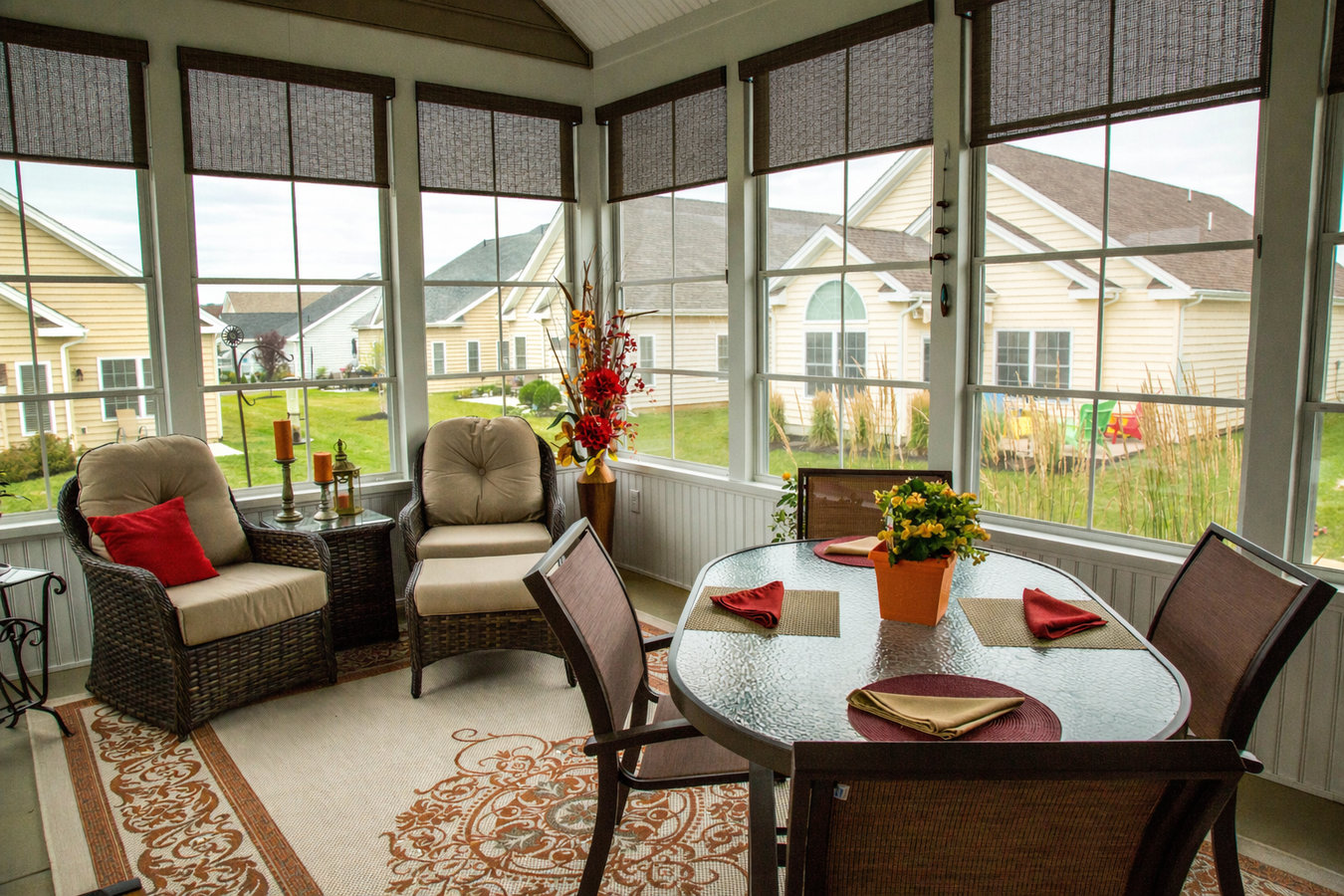
Ventura Sunrooms and Patios is a licensed sunroom contractor serving Fillmore, CA, building enclosed patio rooms, three-season sunrooms, patio covers, and screen rooms for homeowners throughout the Santa Clara River valley - from mid-century ranch homes near the historic downtown to newer subdivisions on the edges of town. We handle permits through the City of Fillmore and have served Ventura County since 2015.
Most mid-century homes in Fillmore were built with a standard concrete slab patio in the backyard - a footprint that converts cleanly into an enclosed room without new foundation work. Our enclosed patio rooms use the existing slab as the floor where conditions allow, making this one of the most cost-effective ways to add usable square footage to a home that hasn't been updated in decades.
Fillmore's spring and fall seasons are genuinely comfortable - warm days and mild evenings that the valley floor holds longer than nearby coastal cities. A three-season room captures those months as usable living space without the cost of full insulation and climate control, making it a practical choice for homeowners whose main goal is enjoying the outdoor-feeling room when the valley weather is at its best.
Fillmore summers are hot - temperatures regularly reach the 90s and occasionally top 100 degrees in the valley. A solid patio cover provides immediate shade and protection for a south- or west-facing slab, reducing the heat load on the back of the house and extending the outdoor season into months when an uncovered patio would be unusable.
The citrus groves and agricultural land surrounding Fillmore mean more insects and airborne material than urban neighborhoods deal with. A well-framed and properly screened room keeps the patio usable through the long comfortable seasons without turning it into a fully enclosed structure - a good fit for Fillmore properties where outdoor connection matters as much as indoor comfort.
For Fillmore homeowners who want a room that works year-round - through the valley's triple-digit summer heat and the frost events that hit the valley floor in December and January - a fully insulated all-season room with climate control is the right solution. It adds genuine living square footage rather than a room that sits unused at temperature extremes.
Fillmore's newer subdivisions on the edges of town - built from the 1990s through 2010s on slightly larger lots - often have the yard space and lot coverage headroom for a new sunroom addition that tighter in-town lots lack. A new addition on this kind of property can add a dedicated room without compromising the existing floor plan.
A large share of Fillmore's housing stock was built between the 1940s and 1980s, with some older homes near downtown dating back to the early 1900s. These homes were constructed with lumber dimensions and framing methods that differ from current standards, and their concrete slabs and foundations have had decades to shift in the valley's clay-heavy soils. Before any enclosed patio room or sunroom is attached to one of these homes, the existing wall framing and slab condition need to be evaluated. A contractor who skips that step is designing for what the house is supposed to be, not what it actually is.
The Santa Clara River valley's clay soils expand when the winter rains come and contract through the dry summer months. That seasonal movement cracks concrete, shifts walkways, and puts pressure on connections between structures. It is a different site condition than homeowners in flat-land subdivisions deal with, and it changes how footings and slab connections need to be designed. Fillmore's location also puts it in the path of wildfire smoke and ember events when the surrounding hills ignite during Santa Ana wind season - a condition that affects material specifications on any new exterior construction.
Our crew works throughout Fillmore regularly, and we understand the local conditions that affect sunroom and patio enclosure work here. Fillmore is one of the few cities in Ventura County where older homes with real character - original wood siding, vintage tile work, and narrow eaves - are the norm rather than the exception. We pull permits through the City of Fillmore Community Development Department and understand what the plan review process requires for attached structures on homes of this era.
Fillmore is a small city with a strong local identity. Central Avenue runs through the historic downtown district, passing the 1887 Southern Pacific depot where the Fillmore and Western Railway runs its excursions - a landmark most Fillmore residents know well. Highway 126 is the main corridor connecting Fillmore west to Santa Paula and Ventura, and east into the more rural parts of the valley. Most of our jobs in Fillmore are a direct 30-minute drive from our Ventura base along that same highway. We also regularly serve homeowners in neighboring Ojai, which shares the same valley-floor climate conditions, and in Santa Paula, which sits just to the west and has a nearly identical older housing character.
Call or send us a message online and we will respond within one business day. We will ask a few basic questions about your property and what you have in mind so we can come prepared.
We visit your Fillmore property to assess the existing slab, wall framing, and drainage - all the site conditions that affect what the project will actually cost. You receive a written estimate that separates labor, materials, and permit fees so there are no surprises later.
We apply for the building permit through the City of Fillmore under our license and handle all communication with the plan check office. City permit review typically takes three to four weeks, and we schedule construction to begin as soon as approval arrives.
On-site work for a standard enclosed patio room or three-season enclosure runs two to four weeks. We coordinate all required city inspections and deliver a signed-off permit so your project is documented and on record with the city.
We serve all of Fillmore, CA. Written estimate, no obligation.
(805) 861-1219Fillmore is a small city of about 15,000 residents tucked into the Santa Clara River valley in eastern Ventura County, surrounded by mountains and working citrus groves. It is often described as one of the last genuinely agricultural small towns remaining in a county that has otherwise become heavily suburban. The housing stock reflects that history - a majority of homes were built between the 1940s and 1980s, with a cluster of older homes near the historic downtown dating to the early 1900s. The most recognized landmark in town is the Fillmore and Western Railway depot on Central Avenue, a restored 1887 Southern Pacific station that anchors the downtown district and draws visitors from across Ventura County for vintage train excursions.
The housing mix in Fillmore ranges from compact in-town lots near the central core to slightly larger properties in the newer subdivisions built on the city's western and northern edges during the 1990s and 2000s. The majority of occupied units are owner-occupied, and homeowners here tend to maintain and invest in their properties rather than sell and move - which makes home improvement projects a steady part of the local economy. We also regularly serve homeowners in nearby Ojai, which sits in an adjacent valley to the north, and in Ventura, where our business is based.
We are ready to visit your property, assess what is possible, and give you a written estimate with no pressure. Contact us today.